
What Is Polyurea Garage Floor Coating? Why Smart Homeowners Are Making the Switch
November 3, 2025
Smart homeowners across Minnesota are upgrading their garages with a coating that's revolutionizing floor protection. If you're wondering what is polyurea garage floor coating and why your neighbors are raving about it, you're not alone. Dynamic Concrete has installed hundreds of these premium coatings, and we're here to explain why this isn't just another trend—it's the future of garage floors.
Understanding Polyurea Garage Floor Coating and Its Benefits
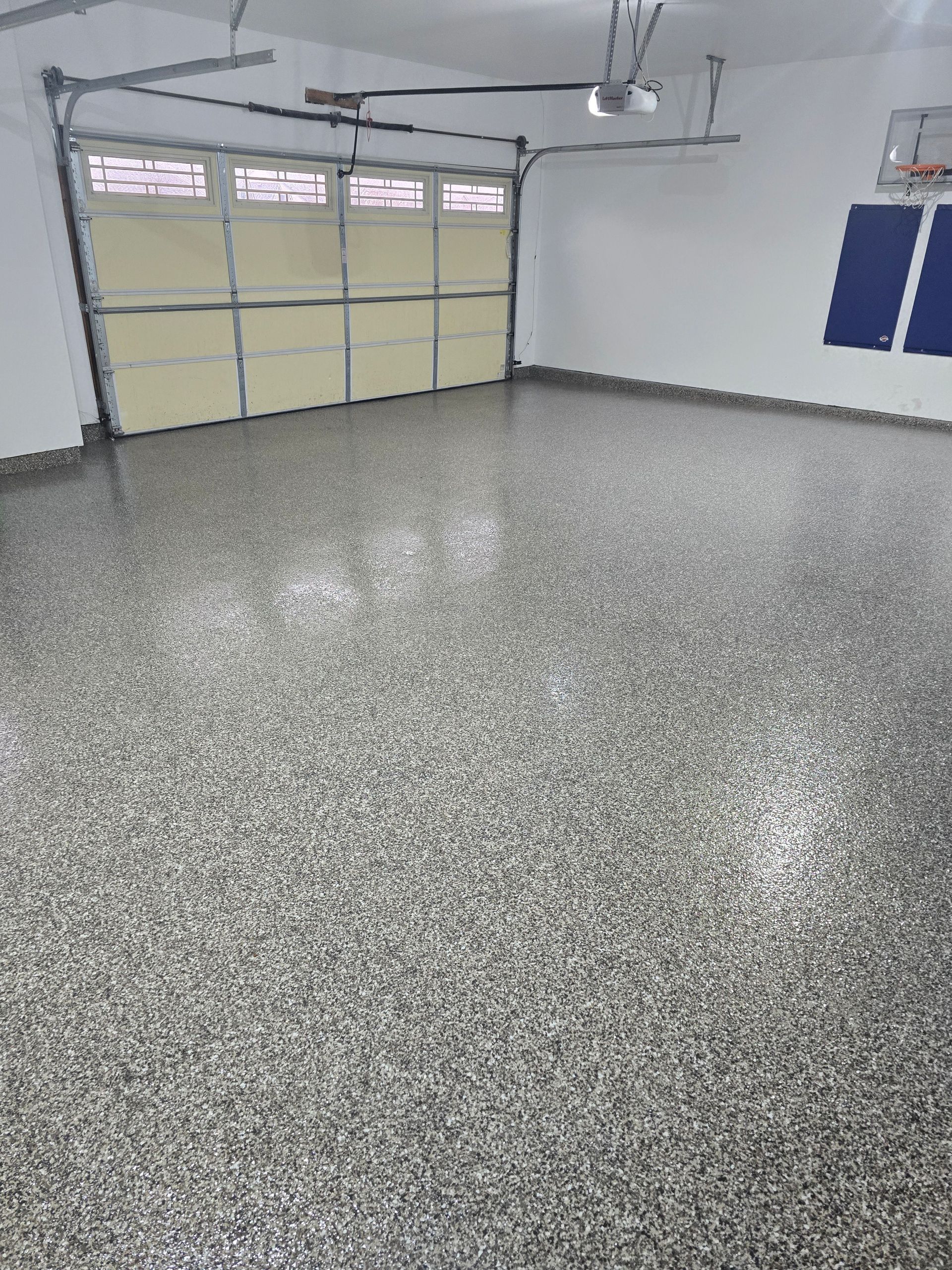
Polyurea garage floor coating is the next generation of floor protection technology, offering superior performance compared to traditional options.
What Is Polyurea Coating?
Polyurea coating is a two-component system that creates an extremely durable, flexible membrane when applied to traditional concrete surfaces. Unlike epoxy coatings that can become brittle over time, polyurea garage floor coatings maintain their flexibility while providing exceptional strength. This advanced chemistry enables the coating to expand and contract with temperature changes, a crucial feature for Minnesota's extreme weather conditions.
Superior Durability and Chemical Resistance
When homeowners ask, “What is polyurea garage floor coating capable of withstanding?” the answer is impressive. These coatings resist oil stains, gasoline spills, road salt, and even hot tire pickup that can damage other floor treatments. The chemical resistance means your garage floor looks new despite being exposed to automotive fluids, cleaning chemicals, and de-icing products commonly used during Minnesota winters.
Fast Installation and Curing Time
One major advantage of polyurea garage floor coating is its rapid cure time. While epoxy coatings often require multiple days before you can park on them, polyurea systems typically cure within hours. This means minimal disruption to your daily routine and faster enjoyment of your upgraded garage space.
Easy Maintenance and Cleaning
Polyurea garage floor coatings create a seamless, non-porous surface that's incredibly easy to maintain. Spills can be wiped up effortlessly, and regular cleaning requires nothing more than a mop and mild detergent. The smooth finish also eliminates concrete dust, keeping your garage and anything stored in it cleaner.
Polyurea Vs. Traditional Garage Floors
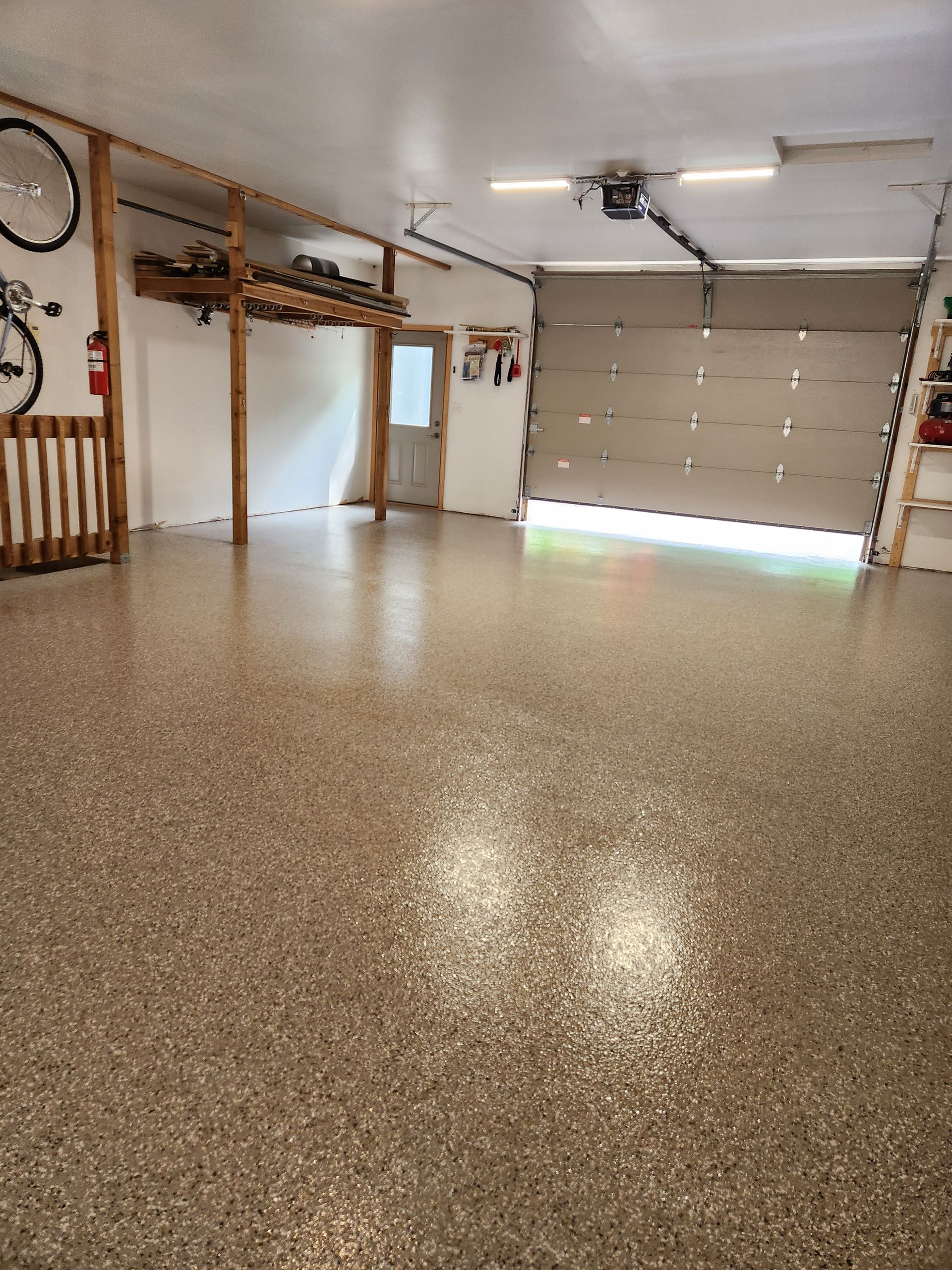
Understanding what polyurea garage floor coating offers becomes clearer when we compare it to alternatives. Traditional epoxy coatings, while popular, can yellow under UV exposure and may chip or peel with temperature fluctuations. Paint-based solutions offer minimal protection and typically fail within a year or two under Minnesota weather.
Polyurea coatings outperform these options in virtually every category: longevity, chemical resistance, temperature tolerance, and aesthetic retention. While the initial investment may be higher than basic alternatives, their long-term value and performance make these coatings the smarter choice for discerning homeowners.
What To Expect During Installation
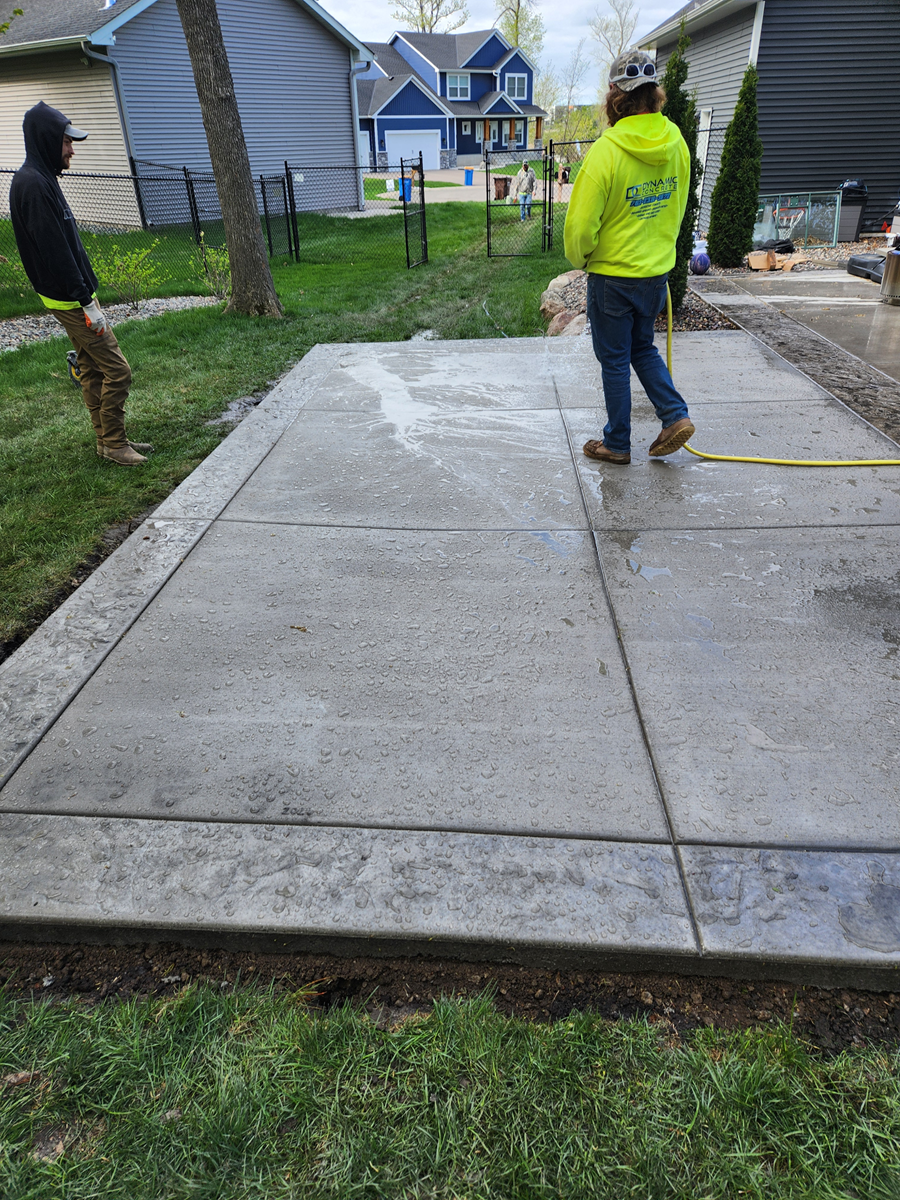
The professional installation of polyurea garage floor coating begins with thorough surface preparation. The concrete must be properly cleaned, and any cracks or imperfections addressed. Dynamic Concrete ensures optimal adhesion through diamond grinding or shot blasting when necessary.
The application process involves mixing the two-component system and applying it evenly across the prepared surface. Professional installers know how to achieve consistent thickness and avoid common issues like bubbles or uneven coverage. Most residential garage projects can be completed in a single day, with the floor ready for light foot traffic within hours
.
Is Polyurea Right for Your Minnesota Garage?
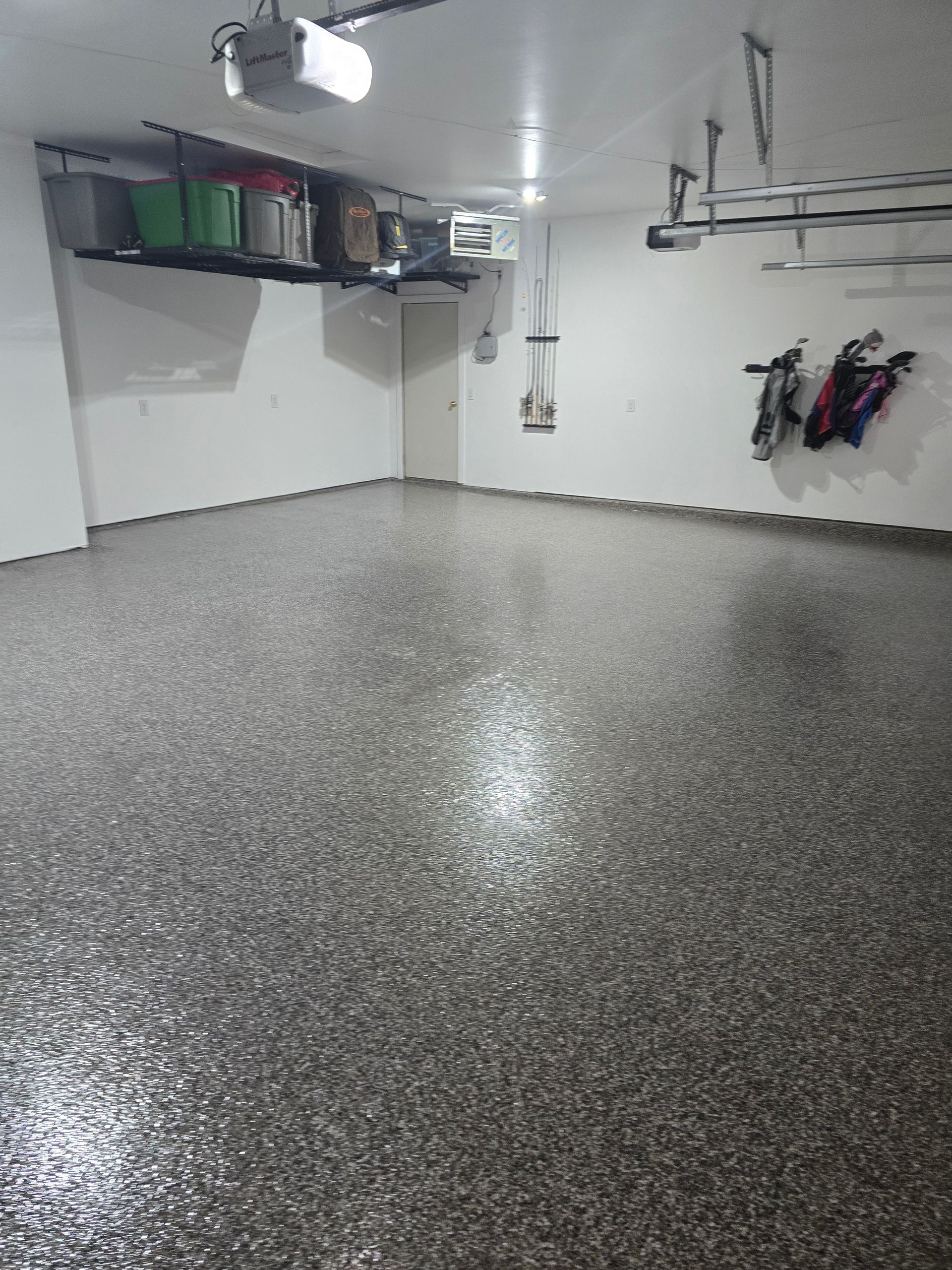
Polyurea garage floor coating makes sense for homeowners who want long-term protection and a professional appearance. If your garage serves multiple purposes—perhaps as a workshop, storage, or even entertainment space—this coating provides the durability and easy maintenance you need.
Consider a polyurea coating if you're tired of oil stains, concrete dust, or floors that look worn despite your best efforts. It's particularly valuable for homeowners who are planning to stay in their homes long-term or those looking to increase property value through quality improvements.
Throughout Big Lake, Elk River, Rogers, and the surrounding Minnesota communities, we've installed these coatings for homeowners who prioritize quality and performance over short-term savings.
Invest in Your Home's Future
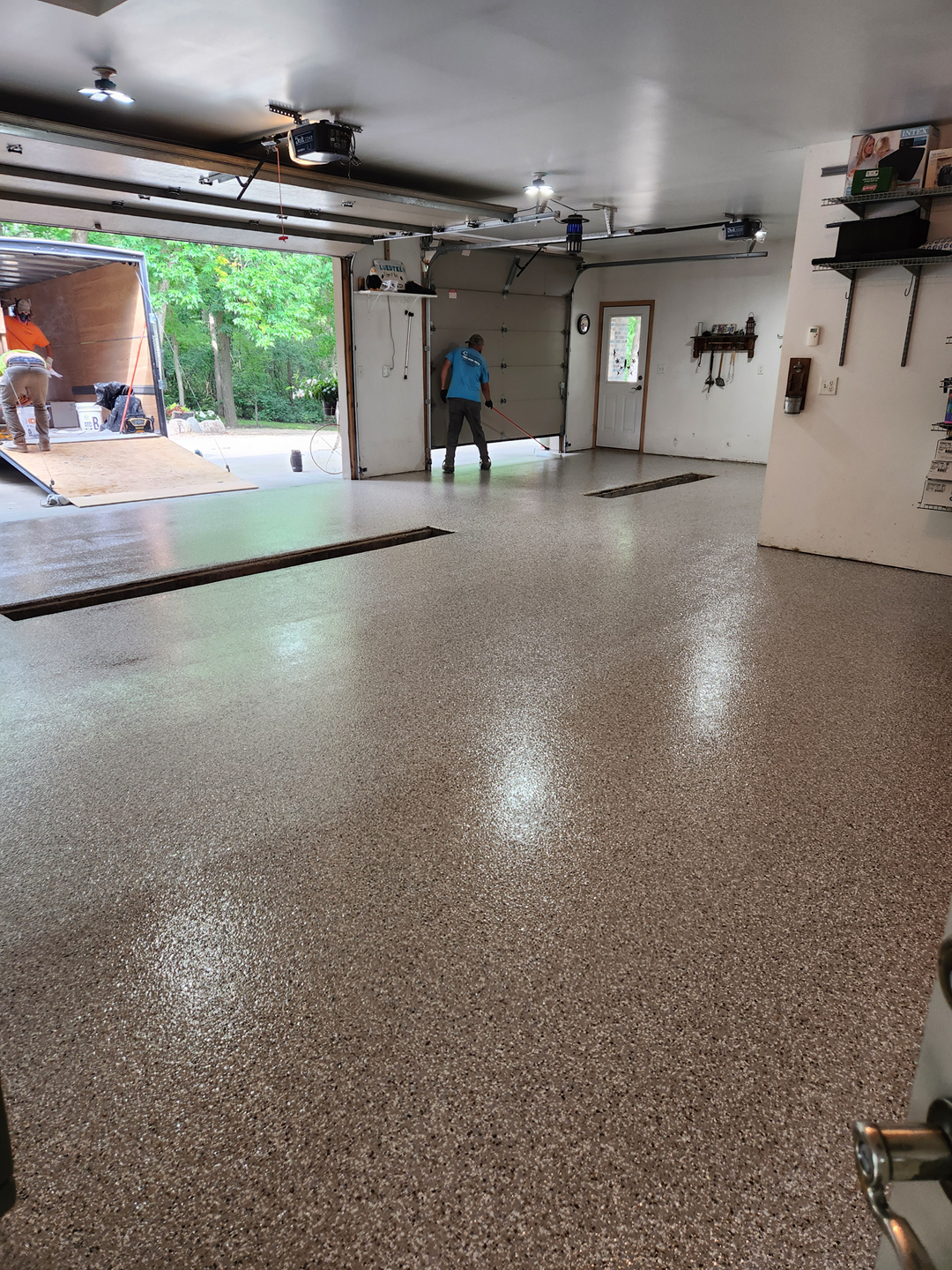
Polyurea garage floor coatings are an investment in your property's functionality and value. With its durability, easy maintenance, and professional appearance, this upgrade consistently delivers value by reducing upkeep and enhancing functionality.
When properly installed, these coatings can last decades with minimal maintenance, making the cost extremely attractive compared to repeatedly applying cheaper alternatives that fail prematurely.
Now that you know what a polyurea garage floor coating is and why it outperforms other options, you can see why it's becoming the preferred choice for discerning homeowners. Making this investment requires working with experienced professionals who understand proper installation and material selection. At Dynamic Concrete, we're committed to helping you make the right choice for your needs and budget. If you’d like to experience its benefits firsthand or have more questions about polyurea coatings, contact us today.
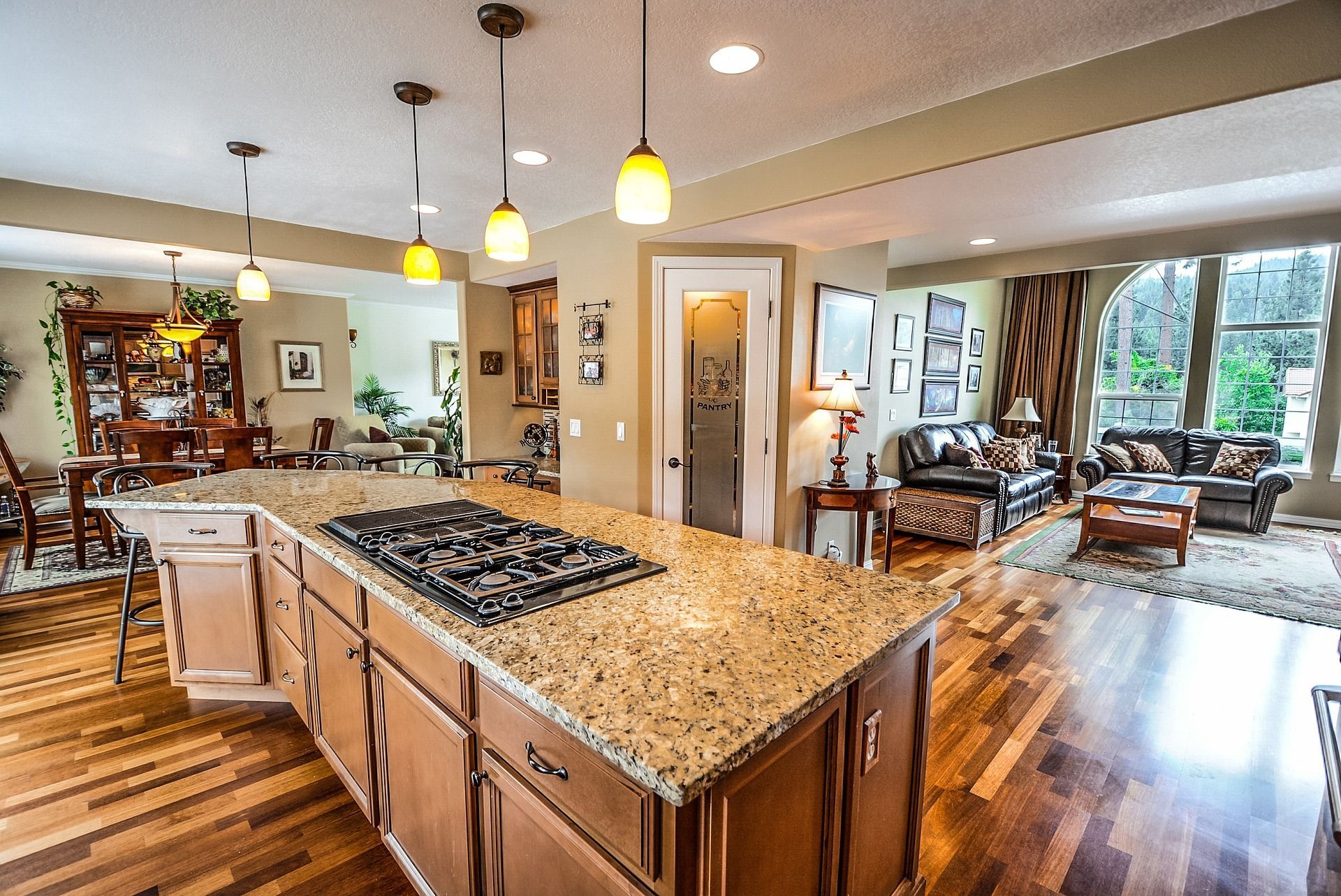
Compare granite, quartz, laminate, and concrete countertops. Plus, discover the benefits of custom concrete and why it’s gaining ground in Minnesota kitchens.
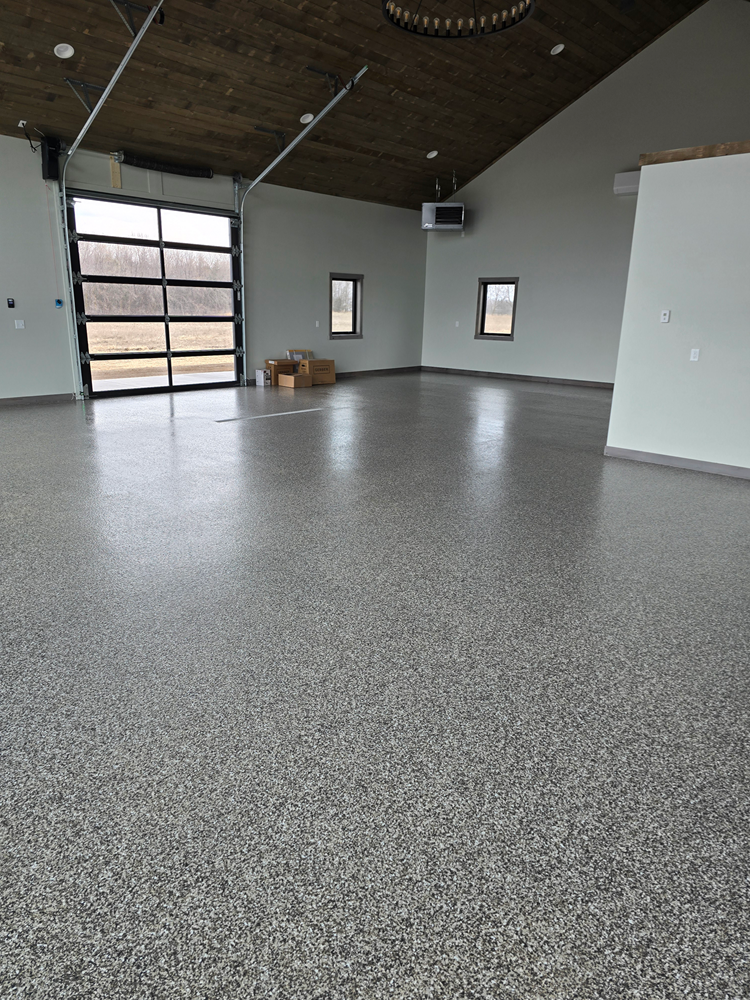
Discover the most popular types of concrete finishes for your Minnesota home. From stamped concrete to broom finishes, get inspiration for your next project.
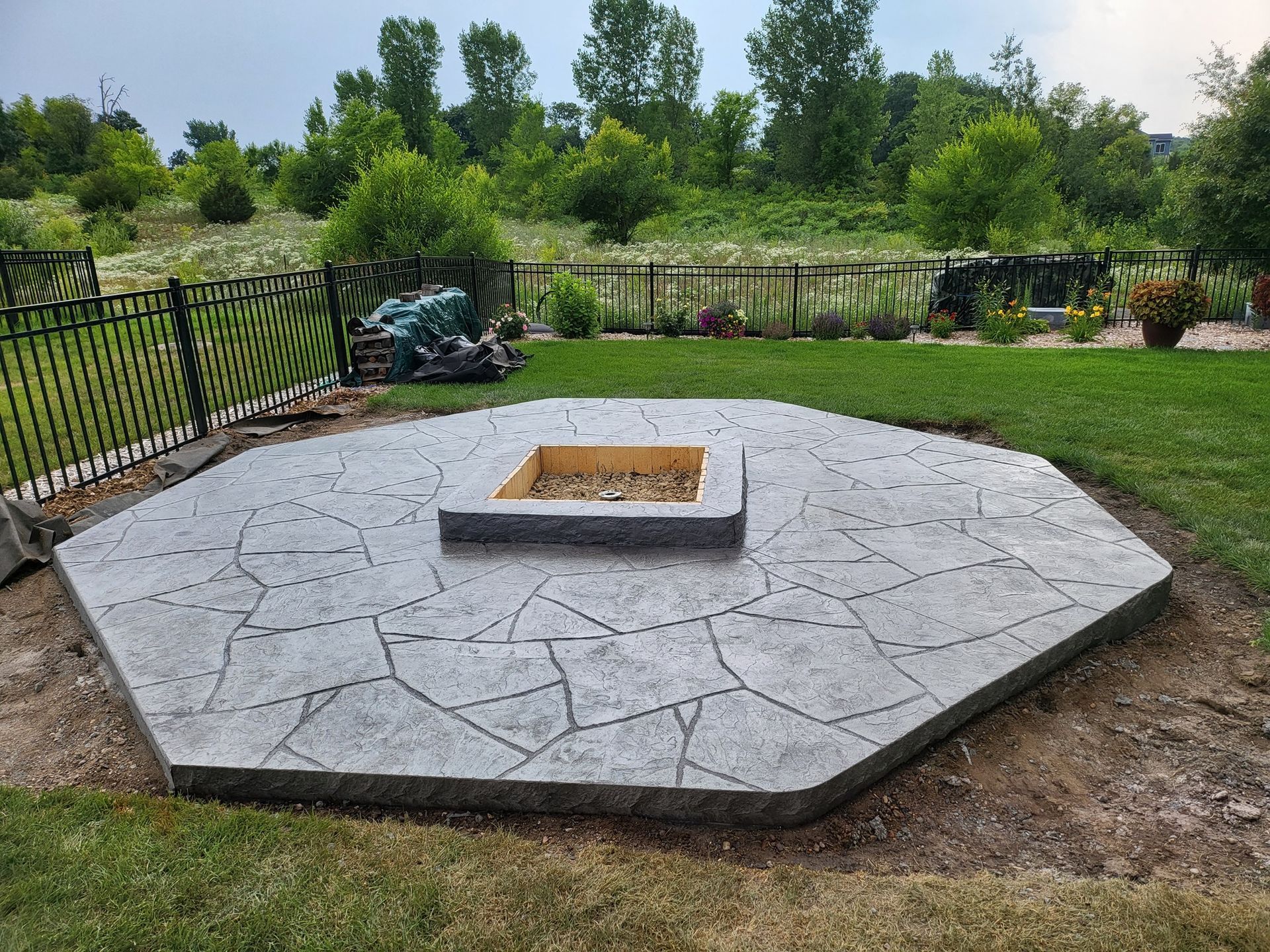
What is stamped concrete? Here’s everything you need to know, courtesy of Dynamic Concrete, so you can decide if it’s right for your Minnesota property.
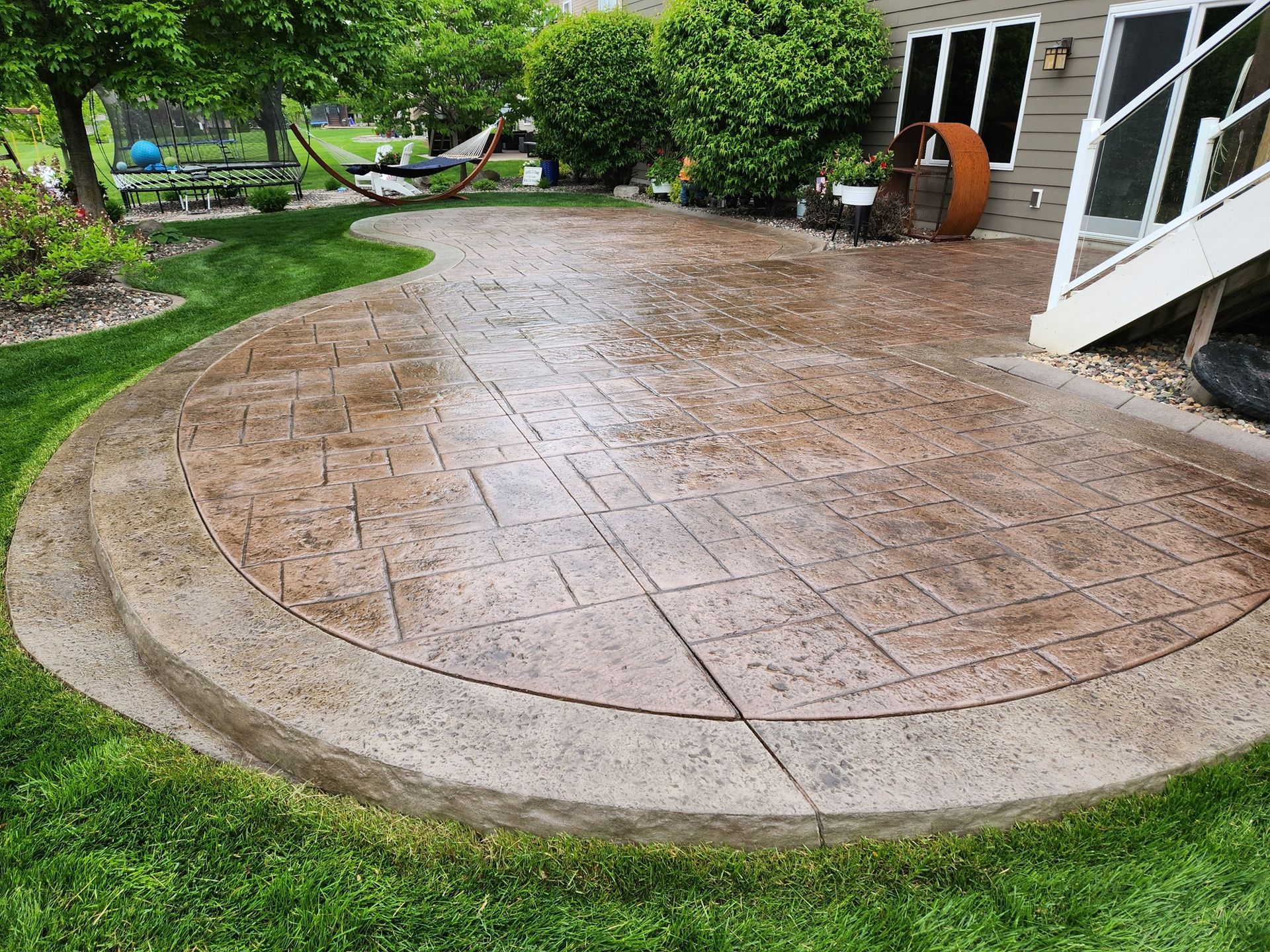
Why choose traditional concrete in Minnesota? Discover concrete’s various benefits, from its durability to customization options and more with Dynamic Concrete.
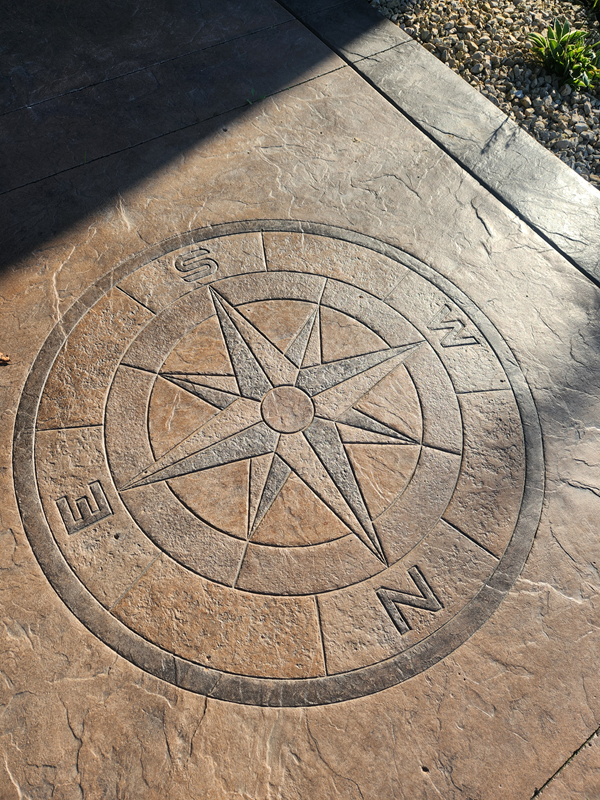
Wondering how to do stamped concrete? Weighing the benefits of a DIY vs. pro job? Get expert insights from Dynamic Concrete before starting your big project.
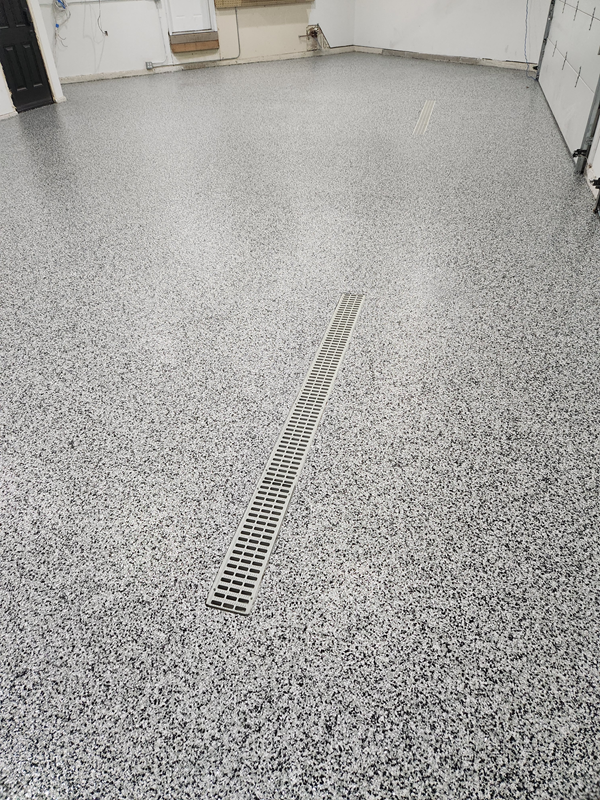
Discover which garage floor coating—epoxy or polyaspartic—is right for you. Learn the pros, cons, costs, and performance of each in practical comparison.
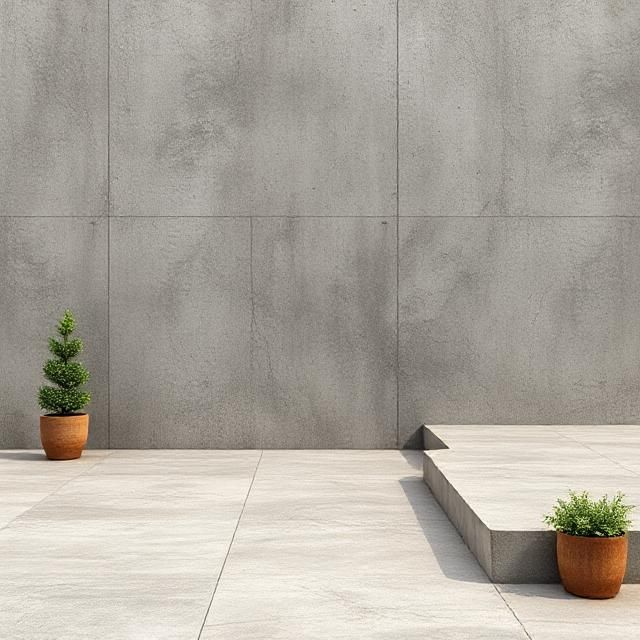
Discover how much flatwork concrete costs in Minnesota. This pricing guide explains key factors that affect cost—materials, labor, and more. Get informed before your next project!
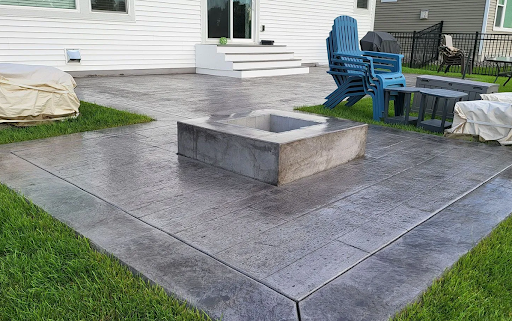
Have you ever stood in your backyard, coffee in hand, imagining that perfect patio or driveway? If you're like most Big Lake homeowners, you've probably found yourself torn between traditional concrete's classic look and stamped designs' eye-catching appeal. Here at Dynamic Concrete , we've guided hundreds of local property owners through this exact decision, and we've learned that the "right" choice varies dramatically depending on your specific situation. As Minnesota's unpredictable weather tests every outdoor surface to its limits, making an informed concrete choice isn't just about aesthetics—it's about protecting your investment for years to come. Let's break down these popular options without the sales pitch so you can decide which concrete solution truly fits your lifestyle, property, and budget. Traditional vs. Stamped Concrete: The Basics What is traditional concrete?
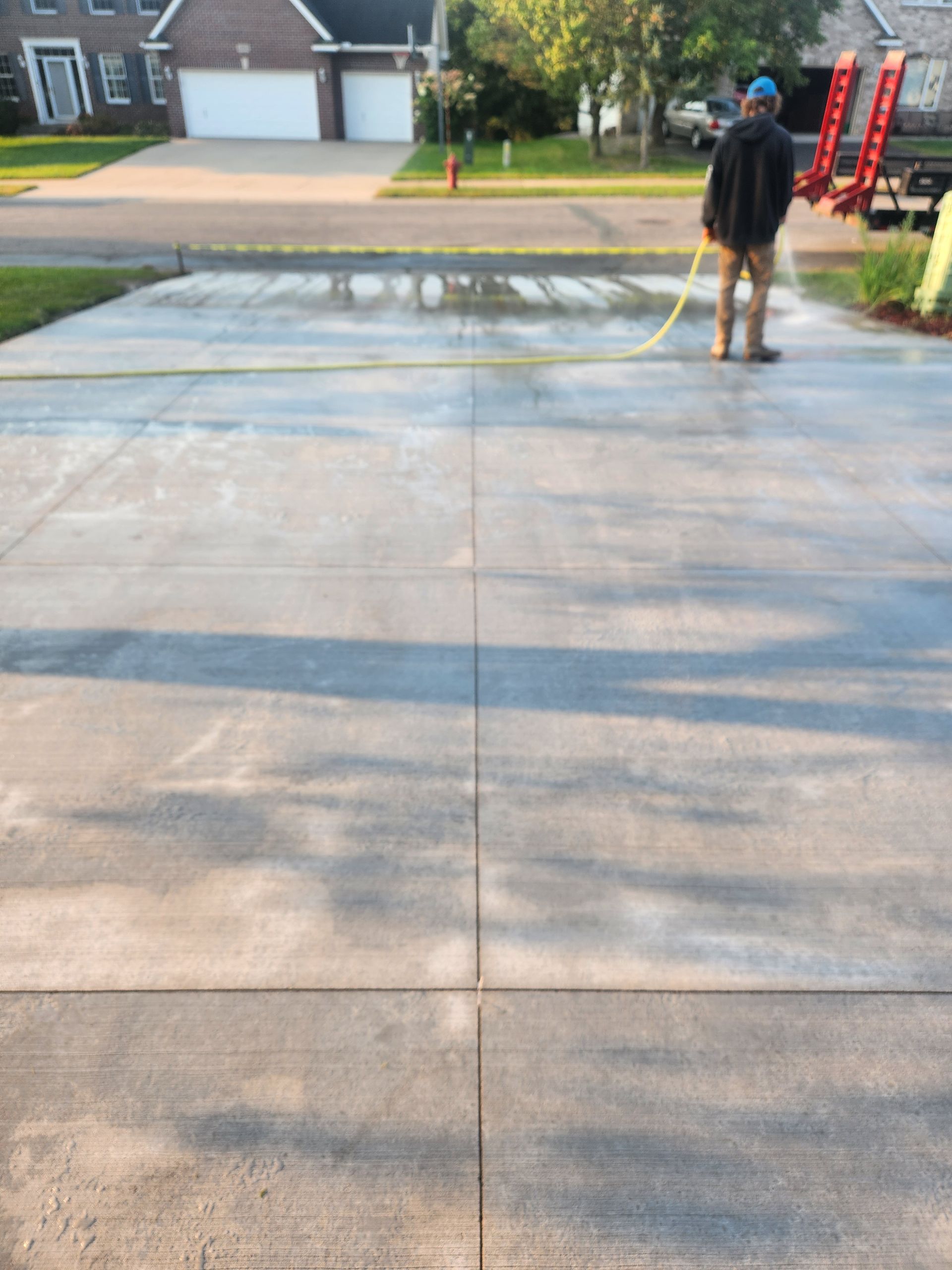
It can be disheartening to find cracks in your concrete. You invested in that beautiful driveway, patio, or garage floor, and now you're spotting lines running across the surface. Before you panic, here is some reassurance: nearly all concrete surfaces will develop cracks over time. The key is knowing which cracks are part of concrete's natural aging process and which signal trouble ahead. Living in Minnesota means your concrete endures some of the most challenging conditions in the country. From summer heat to sub-zero winter temperatures, our concrete endures extreme conditions. This guide will assist you in becoming an expert concrete investigator, comprehending the underlying issues, and determining when to seek professional assistance. Reasons Why Cracks in Concrete Happen Concrete may look like solid stone, but it's a dynamic material that responds to its environment. Whether you've invested in elegant stamped concrete for your patio, traditional concrete for your driveway, or specialized garage floor coatings, understanding the material helps put cracks in perspective. Think of concrete as being alive in its first days and weeks. As it cures, it naturally shrinks slightly—up to ¼ inch per 100 feet. This shrinkage creates tension, and when that tension exceeds the concrete's strength (which is still developing), cracks form. It's simply physics at work. Types of Normal Concrete Cracks: No Need for Alarm Shrinkage Cracks Those thin, hairline cracks that appear within the first month of a new concrete installation are typically shrinkage cracks. They're usually no wider than 1/16 inch and don't extend through the full depth of the slab. In Minnesota, we often see these in new driveways and patios. They may seem concerning, but they rarely affect structural integrity. Think of them as the concrete's way of adjusting to its final form. Surface Crazing Have you ever noticed a network of fine, shallow cracks resembling a spiderweb on your concrete surface? That's crazing, and it happens when the surface dries too quickly during curing. While more common on troweled surfaces, it can also appear on stamped concrete. These superficial cracks are typically only about 1/8 inch deep and don't impact your concrete's structural strength. They're more noticeable when wet but often barely visible when dry. Settling Cracks As the ground beneath the concrete naturally settles, small cracks may develop. In Big Lake's clay-rich soil, some settling is expected. These cracks typically maintain a consistent width (usually under 1/8 inch) and don't show signs of one side being higher than the other. For garage floors with protective coatings, these minor cracks rarely compromise the coating's integrity if they remain stable. When to Worry: Problematic Concrete Cracks Structural Cracks Unlike their benign counterparts, structural cracks often display these warning signs: Width larger than 1/4 inch Widening over time (measure and monitor them!) Extending through the entire slab thickness Accompanied by a shifting or uneven surface These cracks, widespread in Minnesota due to our freeze-thaw cycles, suggest soil movement or foundation issues. They shouldn't be ignored, especially if they appear in your home's foundation. Heaving Cracks Minnesota's notorious freeze-thaw cycles are tough on concrete. When water seeps under your slab and freezes, it expands and pushes the concrete upward. The resulting cracks often have distinct elevation changes—one side sits higher than the other. Heaving is particularly problematic for stamped concrete patios and driveways, as it creates structural issues and ruins the decorative patterns that make stamped concrete so attractive. Step Cracks When one section of concrete sits notably higher than an adjacent section (resembling a step), it indicates significant soil movement beneath. Often accompanied by diagonal cracking, these step formations suggest the ground is no longer providing even support. These shifts can cause coating separation and failure for garage floors with protective coatings, allowing moisture to damage the concrete beneath. Why the Minnesota Climate Creates Unique Challenges Our extreme temperature swings in central Minnesota create perfect conditions for concrete stress. During the summer, concrete expands in the heat. In winter, it contracts with the cold. This constant movement tests even the best concrete installations. Add in the moisture from our 10,000 lakes region and freeze-thaw cycles, and you've got a challenging environment for concrete. When water penetrates tiny cracks, freezes, and expands by about 9%, it creates tremendous pressure—up to 30,000 pounds per square inch. That's enough to widen existing cracks and make new ones. De-icing salts compound the problem, accelerating deterioration by allowing more freeze-thaw cycles to occur at lower temperatures. For garage floors, bringing these salts in on your vehicle can damage both concrete and coatings over time. Protect Your Concrete Investment Quality concrete installation is your best defense against problematic cracking. This means proper site preparation, an appropriate concrete mix for Minnesota's climate, adequate control joints, and correct finishing techniques. Regular sealing is crucial for existing concrete, especially stamped concrete and traditional exterior slabs. In our northern climate, concrete should be resealed every 2-3 years to prevent water infiltration before winter. Garage floor coatings provide excellent protection, creating a barrier against moisture, salt, and chemicals. However, not all coatings are created equal—polyaspartic coatings tend to perform better in our extreme temperature swings than standard epoxy. Why Dynamic Concrete Makes the Difference At Dynamic Concrete , we've spent years perfecting installation techniques specifically for Big Lake and surrounding Minnesota communities. We understand that proper site preparation and mix design for our local conditions make all the difference in preventing serious concrete issues. Our stamped concrete installations include deeper control joints strategically placed to guide where cracking occurs, typically hidden within the pattern design. We ensure proper depth and timing of control joints for traditional concrete to minimize random cracking. Our garage floor coatings are explicitly selected for Minnesota's temperature extremes, with flexible formulations that can accommodate minor concrete movement without cracking or peeling. Is it Time for Expert Eyes? If you're noticing cracks that concern you, especially those wider than 1/4 inch, growing noticeably, or creating uneven surfaces, it's time for a professional assessment. Even minor cracks can worsen when exposed to another Minnesota winter. Contact us today to schedule your concrete assessment or to learn more about our crack-minimizing techniques for new stamped concrete, traditional concrete, or garage floor coating installations. Because in Minnesota's challenging climate, the difference between ordinary concrete and extraordinary concrete isn't just visible on the surface—it's in how it performs year after year, season after season.