
Choosing the Right Material for Your Kitchen Countertop
February 2, 2026
If you've spent any time researching kitchen countertops, you've probably landed somewhere between granite and quartz—and found compelling arguments for both. That's a reasonable place to be. What most comparison guides leave out is a third surface that’s gaining ground in Minnesota kitchens: poured concrete.
Dynamic Concrete LLC has installed custom concrete countertops for homeowners across the northwest Twin Cities, and the right answer almost always depends on how the kitchen gets used and what the homeowner wants to live with long-term.
Comparing the Most Common Countertop Materials
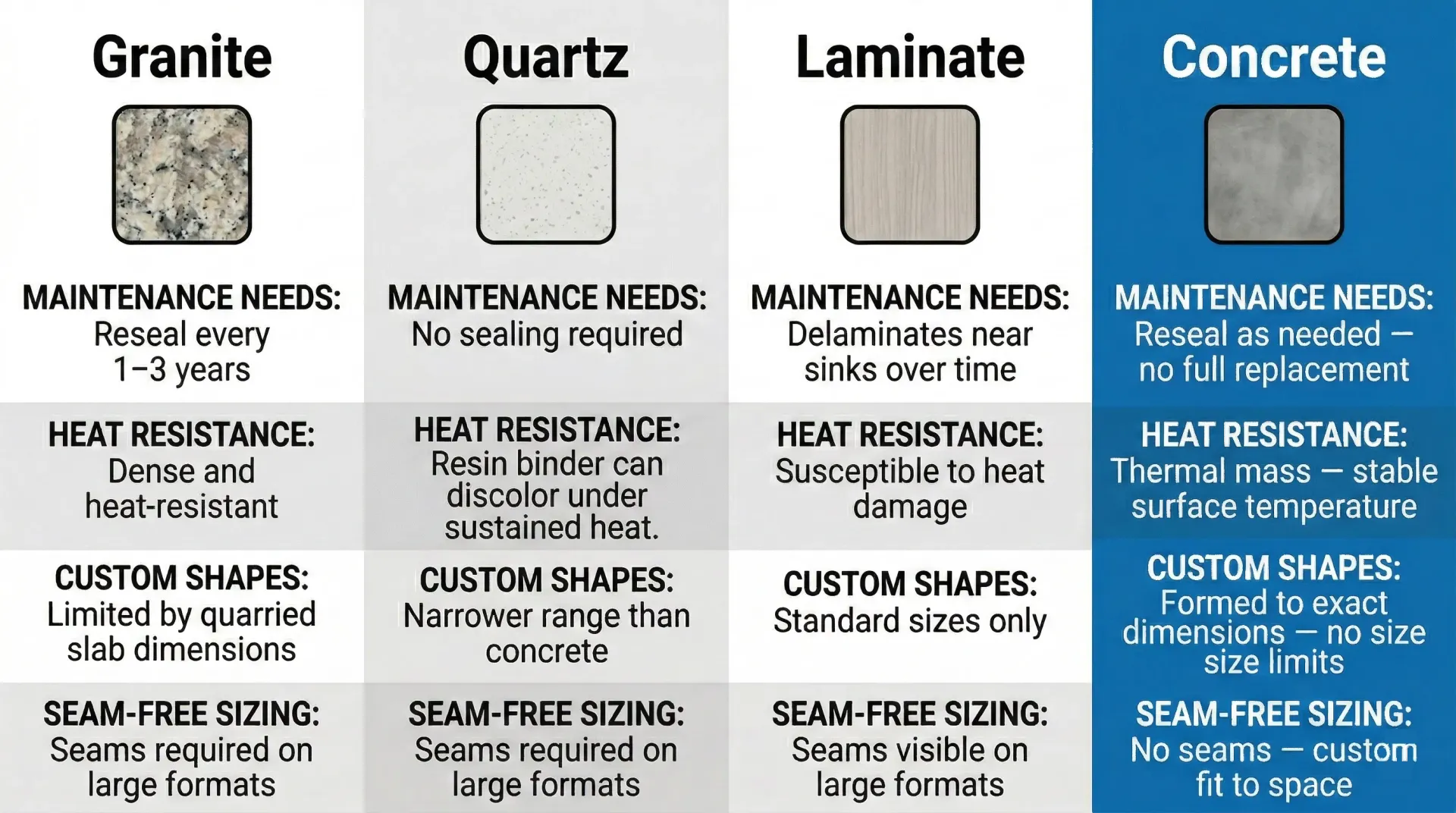
Each leading countertop material brings clear advantages, along with tradeoffs that rarely get discussed in online comparisons.
Granite
Granite is a natural stone quarried in slabs, so every surface is unique. It's dense and heat-resistant, but unsealed granite has a water absorption rate of roughly 0.1% to 0.4%, meaning liquids (wine, cooking oil, acidic sauces) can stain the surface if the sealer has worn off. Resealing is typically needed every one to three years depending on use.
Quartz
Quartz countertops are made from ground quartz crystals bound with resin. They're non-porous and require no sealing, which makes them low-maintenance. Here’s the tradeoff: the resin binder can discolor under sustained heat, so a hot pan laid directly on quartz could lead to permanent marking. Quartz also comes in a narrower range of custom shapes than poured concrete.
Laminate
Laminate is the most affordable option and has improved considerably in appearance. However, it can delaminate when exposed to prolonged moisture at the edges, a common failure point near sinks where caulk maintenance is imperfect.
Concrete
Concrete sits in a different category from all three. It's formed to the exact dimensions of the space, so irregular shapes, integrated drain boards, and custom edge profiles are achievable without seams. The finish is sealed with a high-performance topcoat, and the surface character is shaped by the craftsperson who forms and finishes it.
Where Concrete Countertops Stand Apart
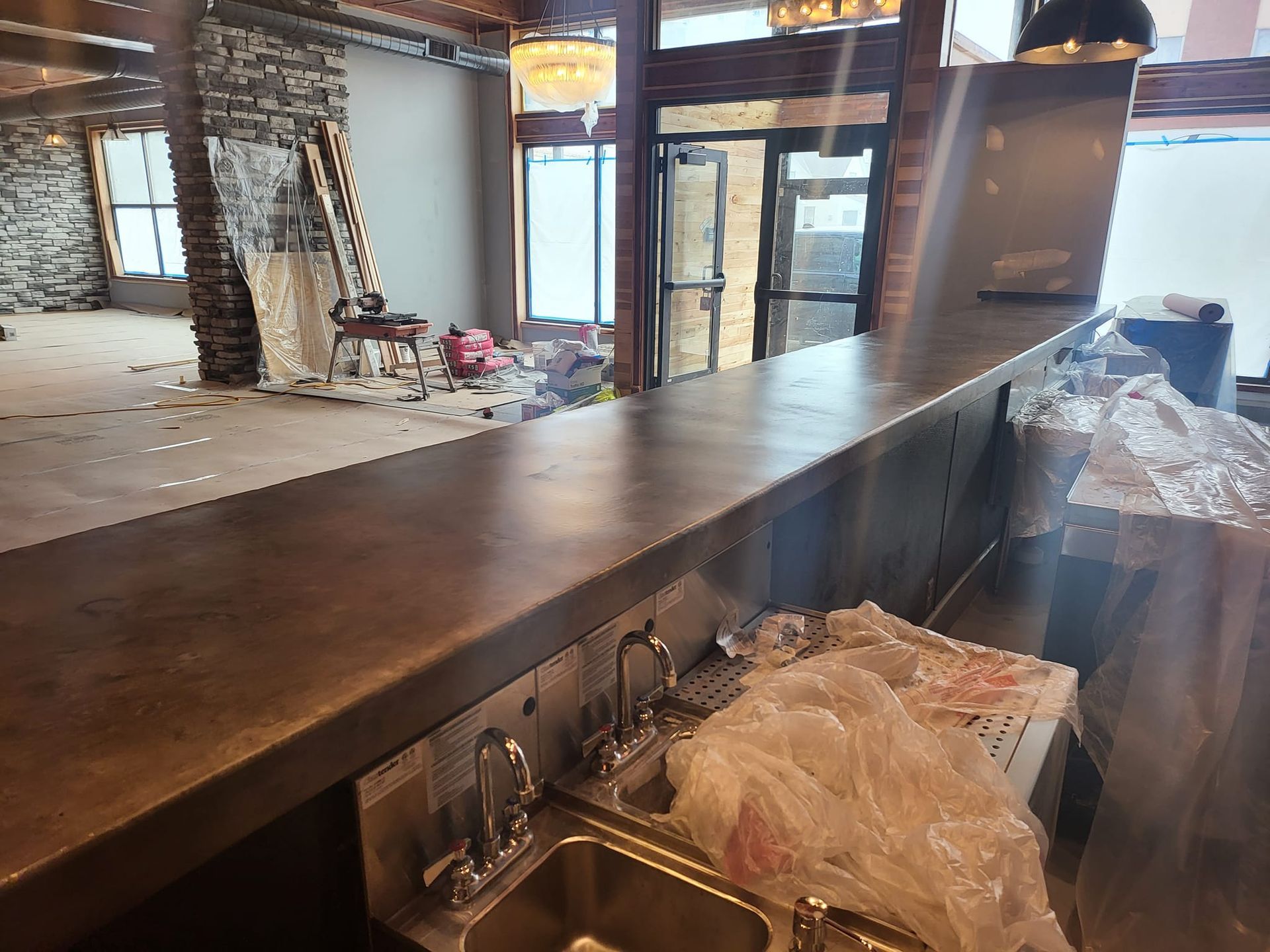
Concrete countertops aren’t a commodity product. Each one is handcrafted to fit the space, which makes them a fundamentally different investment than material cut from a catalog slab.
In a kitchen, concrete's thermal mass works in its favor. The material absorbs and releases heat gradually, staying at a stable surface temperature, while being more tolerant of brief heat exposure than quartz resin surfaces.
Note that sealed concrete requires maintenance. The sealer protects against staining and moisture penetration, and it can show wear in high-use zones after several years. Resurfacing or resealing restores the surface without replacing the slab, a meaningful cost advantage over starting from scratch with stone. The same principle applies to concrete overlays and vertical concrete applications: the base material stays, while the surface is refreshed.
If you're renovating your kitchen and adding an outdoor cooking space at the same time, concrete works well for both. The same sealing system that protects interior slabs holds up outdoors in Minnesota weather.
What Makes Minnesota Kitchens Worth Addressing Specifically
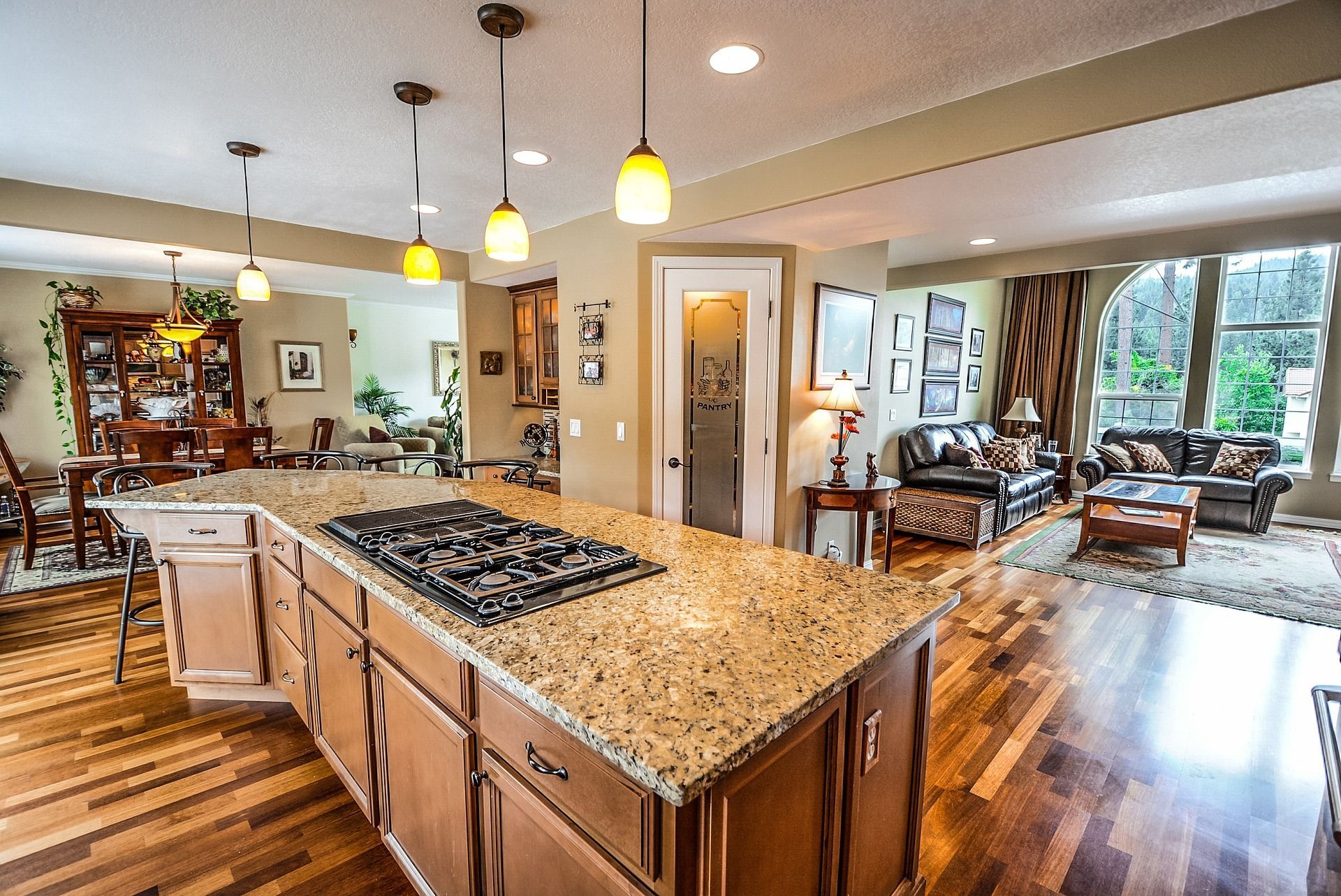
Countertop advice written for coastal or southwestern climates doesn't always translate here. New construction in communities like Otsego and Rogers often includes open-plan kitchens with large island footprints. Concrete handles large and irregular layouts better than most stone because there are no slab size limits set by a quarry. Custom sizing also eliminates the visible seaming required when a project exceeds standard stone dimensions.
Minnesota homes also experience significant interior humidity swings: very dry winters from central heating systems and humid summers. The same topcoat used to protect stamped concrete driveways and patios outdoors holds up just as well on interior countertop slabs, remaining UV-stable and moisture-resistant through Minnesota winters and summers alike.
Which Is Right for Your Home?
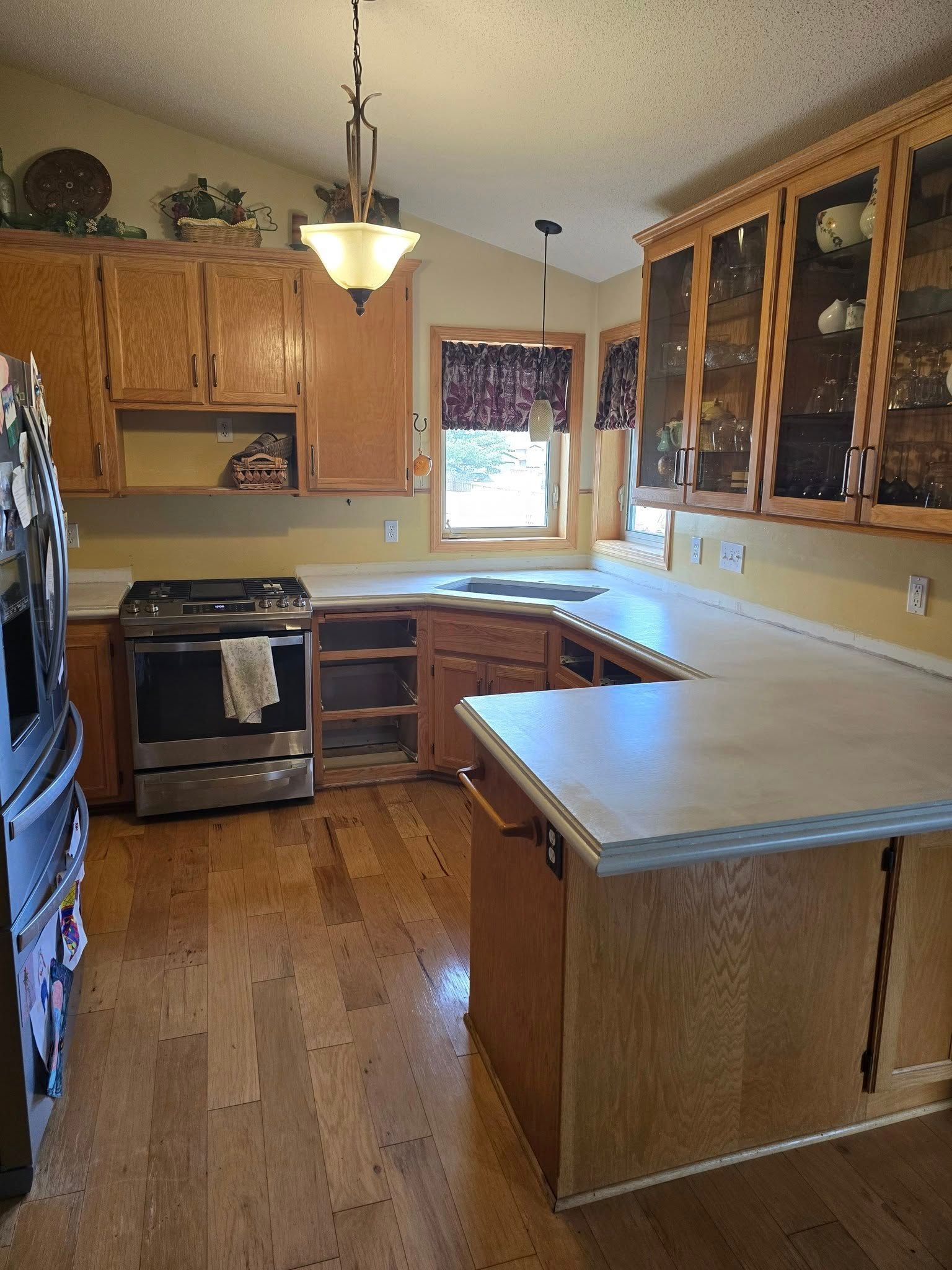
Granite and quartz are solid choices for homeowners who want a proven, catalog-available product and are comfortable with standard sizes and finishes. Both perform reliably when properly maintained.
Concrete makes the most sense when the project calls for something non-standard:
- A curved island or irregular footprint
- A custom color matched to cabinetry
- An integrated sink cutout
- A surface that bridges indoor and outdoor spaces in one design
You should also consider your timelines. Concrete requires fabrication and curing, so it isn't something you can have installed within a few days. Our consultation and design process sets realistic expectations and lets the team match the material and finish to the actual layout.
Dynamic Concrete serves homeowners across Big Lake, Otsego, Rogers, Monticello, and the surrounding northwest Twin Cities communities. If you're planning a kitchen renovation and want to know whether concrete is the right fit, request a free quote to get a direct answer based on your specific space.
Discover the most popular types of concrete finishes for your Minnesota home. From stamped concrete to broom finishes, get inspiration for your next project.
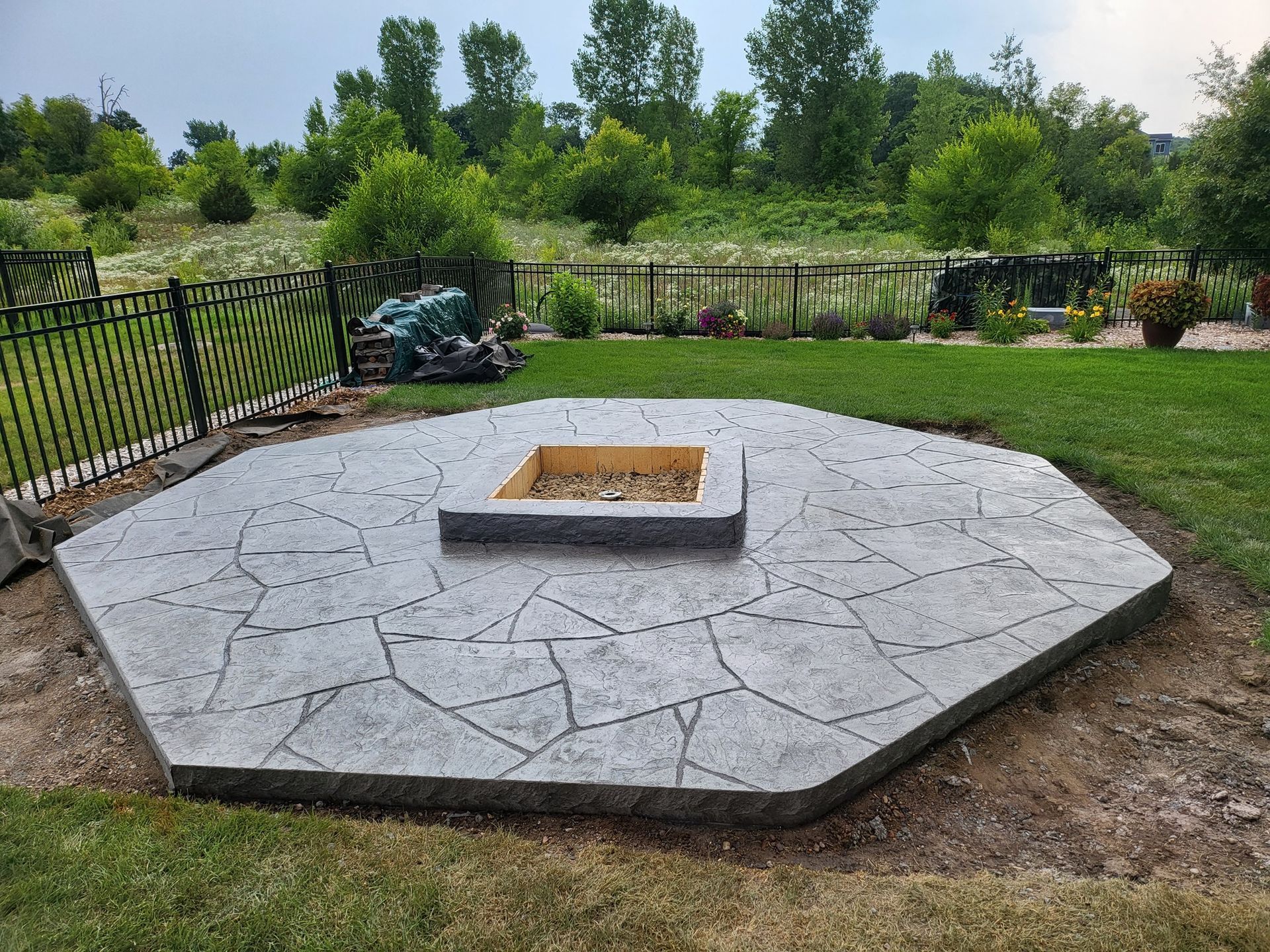
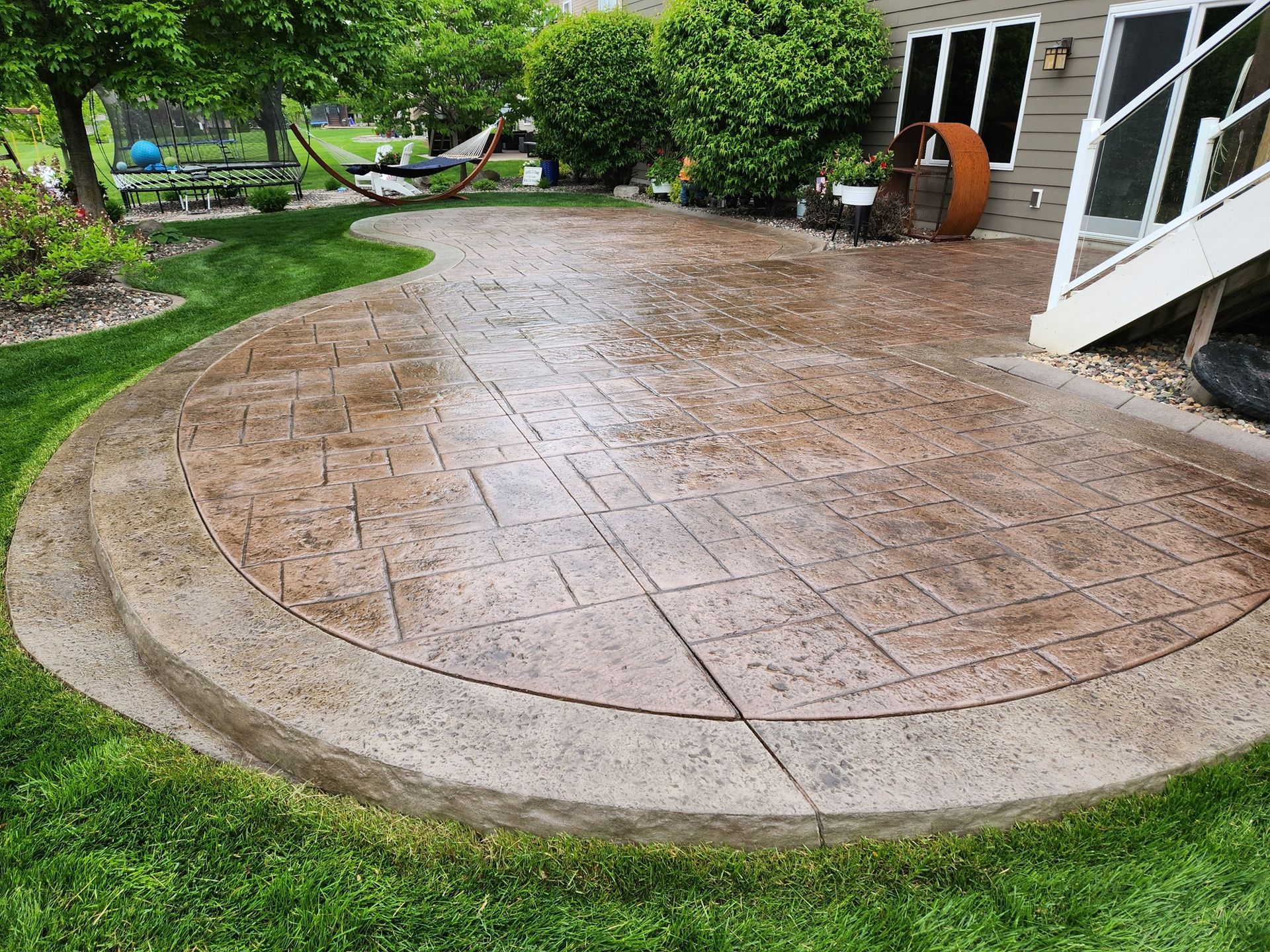
What is stamped concrete? Here’s everything you need to know, courtesy of Dynamic Concrete, so you can decide if it’s right for your Minnesota property.
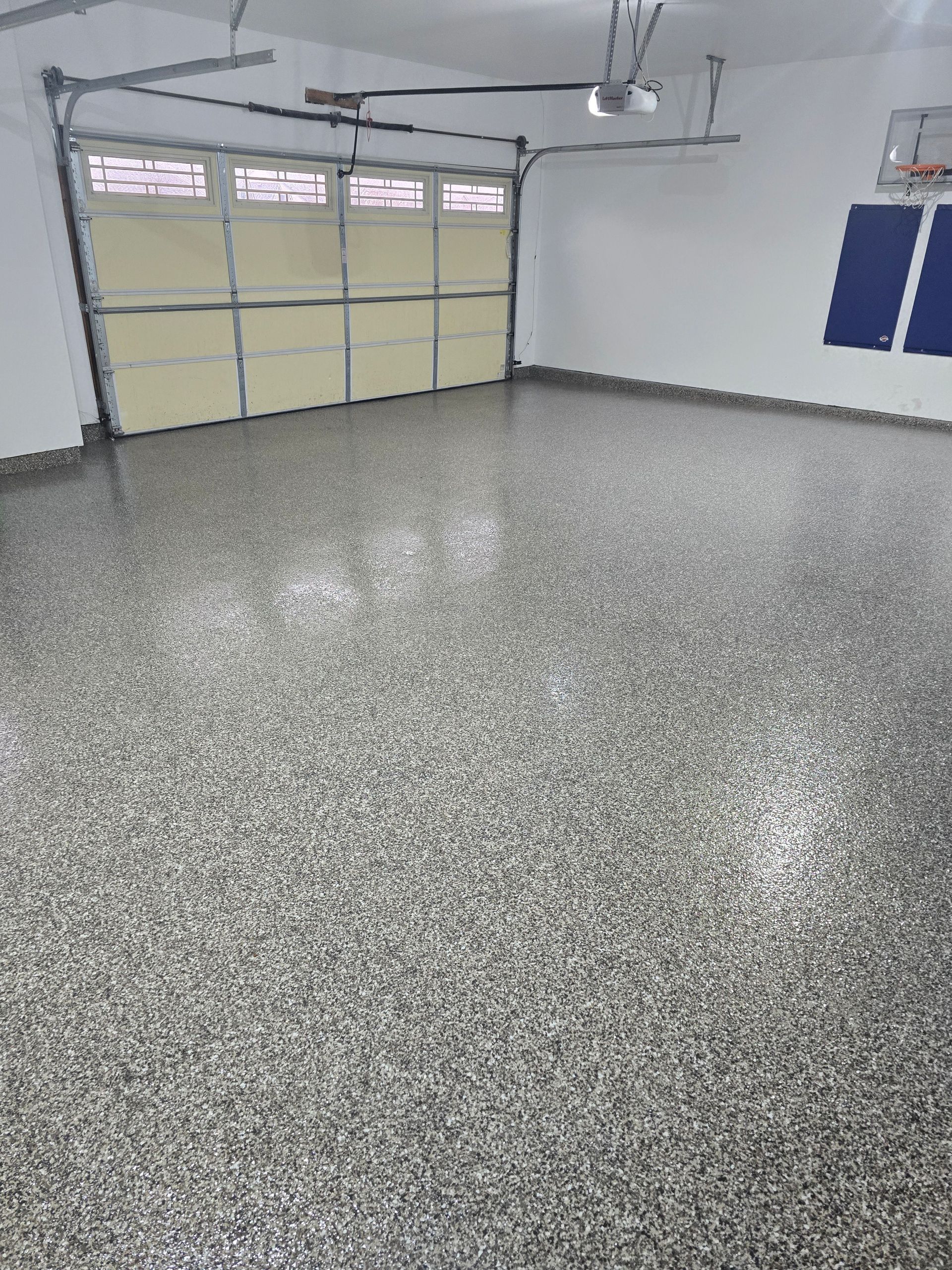
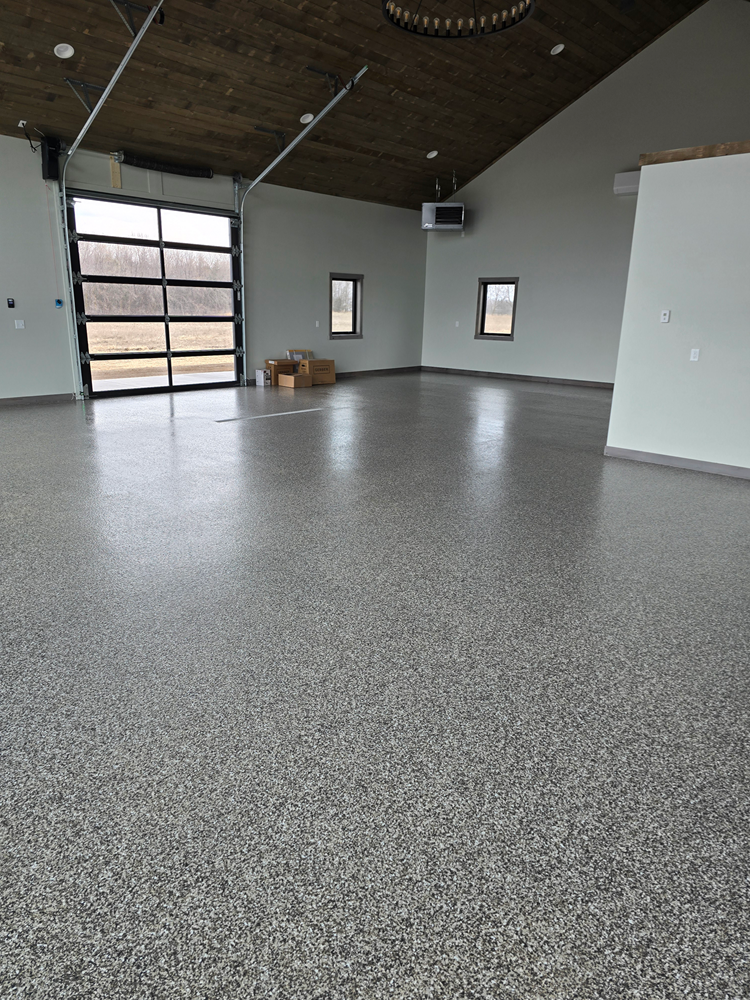
What is polyurea garage floor coating, and why are more and more Minnesota homeowners choosing it? Get the answers from Dynamic Concrete’s local experts.
Why choose traditional concrete in Minnesota? Discover concrete’s various benefits, from its durability to customization options and more with Dynamic Concrete.
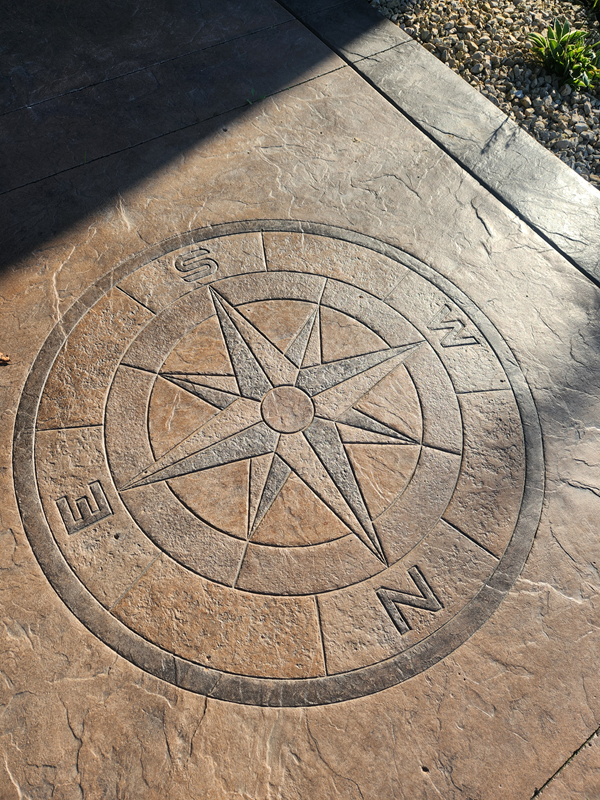
Wondering how to do stamped concrete? Weighing the benefits of a DIY vs. pro job? Get expert insights from Dynamic Concrete before starting your big project.
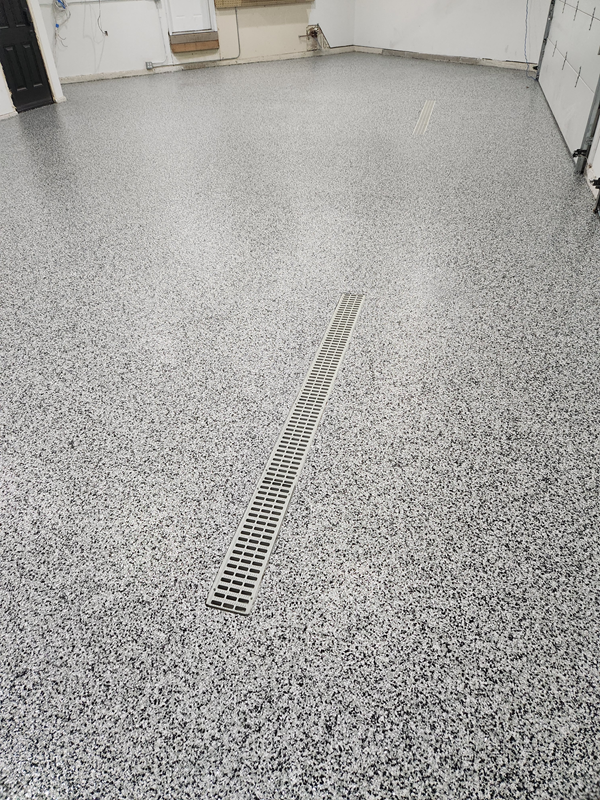
Discover which garage floor coating—epoxy or polyaspartic—is right for you. Learn the pros, cons, costs, and performance of each in practical comparison.
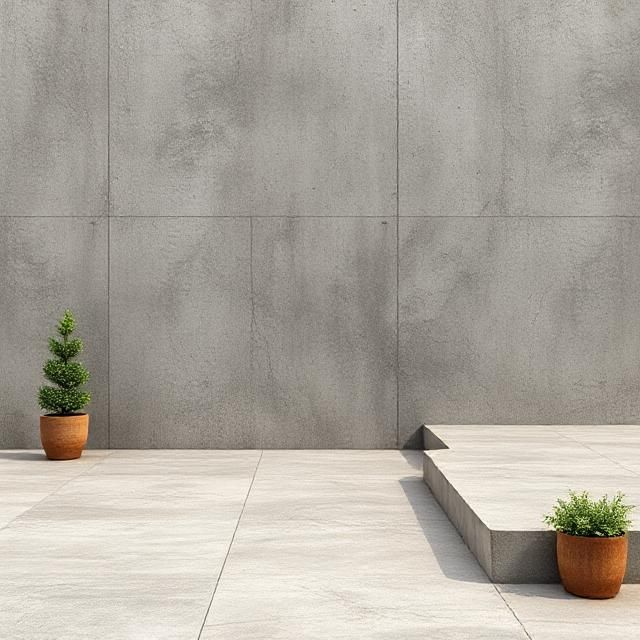
Discover how much flatwork concrete costs in Minnesota. This pricing guide explains key factors that affect cost—materials, labor, and more. Get informed before your next project!
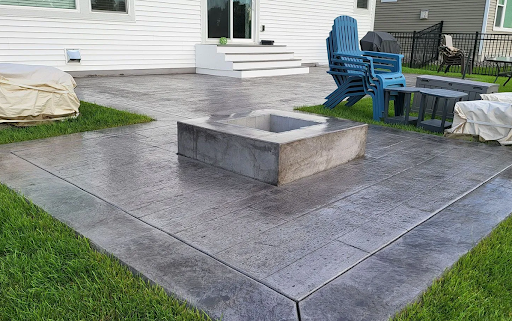
Have you ever stood in your backyard, coffee in hand, imagining that perfect patio or driveway? If you're like most Big Lake homeowners, you've probably found yourself torn between traditional concrete's classic look and stamped designs' eye-catching appeal. Here at Dynamic Concrete , we've guided hundreds of local property owners through this exact decision, and we've learned that the "right" choice varies dramatically depending on your specific situation. As Minnesota's unpredictable weather tests every outdoor surface to its limits, making an informed concrete choice isn't just about aesthetics—it's about protecting your investment for years to come. Let's break down these popular options without the sales pitch so you can decide which concrete solution truly fits your lifestyle, property, and budget. Traditional vs. Stamped Concrete: The Basics What is traditional concrete?
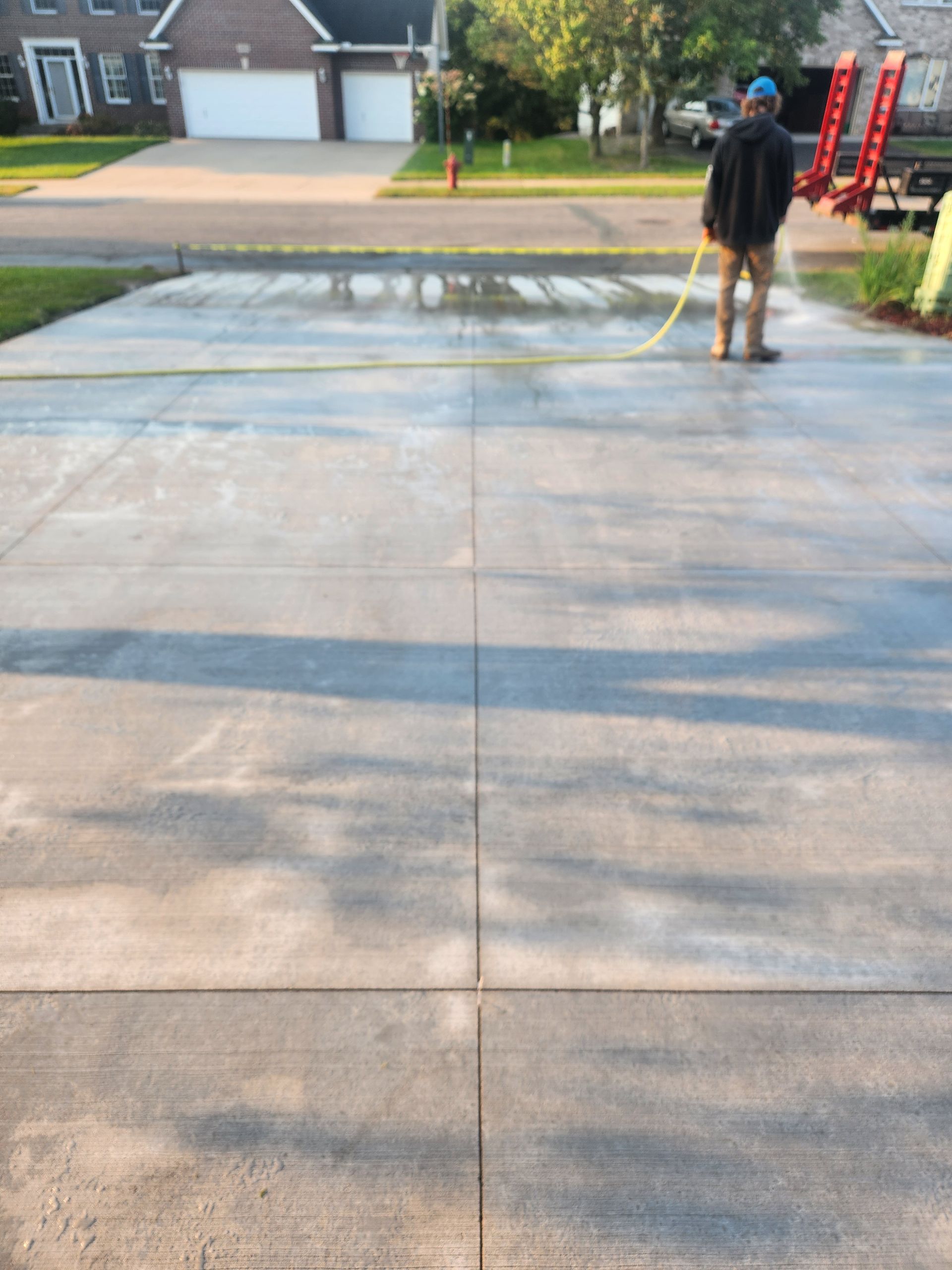
It can be disheartening to find cracks in your concrete. You invested in that beautiful driveway, patio, or garage floor, and now you're spotting lines running across the surface. Before you panic, here is some reassurance: nearly all concrete surfaces will develop cracks over time. The key is knowing which cracks are part of concrete's natural aging process and which signal trouble ahead. Living in Minnesota means your concrete endures some of the most challenging conditions in the country. From summer heat to sub-zero winter temperatures, our concrete endures extreme conditions. This guide will assist you in becoming an expert concrete investigator, comprehending the underlying issues, and determining when to seek professional assistance. Reasons Why Cracks in Concrete Happen Concrete may look like solid stone, but it's a dynamic material that responds to its environment. Whether you've invested in elegant stamped concrete for your patio, traditional concrete for your driveway, or specialized garage floor coatings, understanding the material helps put cracks in perspective. Think of concrete as being alive in its first days and weeks. As it cures, it naturally shrinks slightly—up to ¼ inch per 100 feet. This shrinkage creates tension, and when that tension exceeds the concrete's strength (which is still developing), cracks form. It's simply physics at work. Types of Normal Concrete Cracks: No Need for Alarm Shrinkage Cracks Those thin, hairline cracks that appear within the first month of a new concrete installation are typically shrinkage cracks. They're usually no wider than 1/16 inch and don't extend through the full depth of the slab. In Minnesota, we often see these in new driveways and patios. They may seem concerning, but they rarely affect structural integrity. Think of them as the concrete's way of adjusting to its final form. Surface Crazing Have you ever noticed a network of fine, shallow cracks resembling a spiderweb on your concrete surface? That's crazing, and it happens when the surface dries too quickly during curing. While more common on troweled surfaces, it can also appear on stamped concrete. These superficial cracks are typically only about 1/8 inch deep and don't impact your concrete's structural strength. They're more noticeable when wet but often barely visible when dry. Settling Cracks As the ground beneath the concrete naturally settles, small cracks may develop. In Big Lake's clay-rich soil, some settling is expected. These cracks typically maintain a consistent width (usually under 1/8 inch) and don't show signs of one side being higher than the other. For garage floors with protective coatings, these minor cracks rarely compromise the coating's integrity if they remain stable. When to Worry: Problematic Concrete Cracks Structural Cracks Unlike their benign counterparts, structural cracks often display these warning signs: Width larger than 1/4 inch Widening over time (measure and monitor them!) Extending through the entire slab thickness Accompanied by a shifting or uneven surface These cracks, widespread in Minnesota due to our freeze-thaw cycles, suggest soil movement or foundation issues. They shouldn't be ignored, especially if they appear in your home's foundation. Heaving Cracks Minnesota's notorious freeze-thaw cycles are tough on concrete. When water seeps under your slab and freezes, it expands and pushes the concrete upward. The resulting cracks often have distinct elevation changes—one side sits higher than the other. Heaving is particularly problematic for stamped concrete patios and driveways, as it creates structural issues and ruins the decorative patterns that make stamped concrete so attractive. Step Cracks When one section of concrete sits notably higher than an adjacent section (resembling a step), it indicates significant soil movement beneath. Often accompanied by diagonal cracking, these step formations suggest the ground is no longer providing even support. These shifts can cause coating separation and failure for garage floors with protective coatings, allowing moisture to damage the concrete beneath. Why the Minnesota Climate Creates Unique Challenges Our extreme temperature swings in central Minnesota create perfect conditions for concrete stress. During the summer, concrete expands in the heat. In winter, it contracts with the cold. This constant movement tests even the best concrete installations. Add in the moisture from our 10,000 lakes region and freeze-thaw cycles, and you've got a challenging environment for concrete. When water penetrates tiny cracks, freezes, and expands by about 9%, it creates tremendous pressure—up to 30,000 pounds per square inch. That's enough to widen existing cracks and make new ones. De-icing salts compound the problem, accelerating deterioration by allowing more freeze-thaw cycles to occur at lower temperatures. For garage floors, bringing these salts in on your vehicle can damage both concrete and coatings over time. Protect Your Concrete Investment Quality concrete installation is your best defense against problematic cracking. This means proper site preparation, an appropriate concrete mix for Minnesota's climate, adequate control joints, and correct finishing techniques. Regular sealing is crucial for existing concrete, especially stamped concrete and traditional exterior slabs. In our northern climate, concrete should be resealed every 2-3 years to prevent water infiltration before winter. Garage floor coatings provide excellent protection, creating a barrier against moisture, salt, and chemicals. However, not all coatings are created equal—polyaspartic coatings tend to perform better in our extreme temperature swings than standard epoxy. Why Dynamic Concrete Makes the Difference At Dynamic Concrete , we've spent years perfecting installation techniques specifically for Big Lake and surrounding Minnesota communities. We understand that proper site preparation and mix design for our local conditions make all the difference in preventing serious concrete issues. Our stamped concrete installations include deeper control joints strategically placed to guide where cracking occurs, typically hidden within the pattern design. We ensure proper depth and timing of control joints for traditional concrete to minimize random cracking. Our garage floor coatings are explicitly selected for Minnesota's temperature extremes, with flexible formulations that can accommodate minor concrete movement without cracking or peeling. Is it Time for Expert Eyes? If you're noticing cracks that concern you, especially those wider than 1/4 inch, growing noticeably, or creating uneven surfaces, it's time for a professional assessment. Even minor cracks can worsen when exposed to another Minnesota winter. Contact us today to schedule your concrete assessment or to learn more about our crack-minimizing techniques for new stamped concrete, traditional concrete, or garage floor coating installations. Because in Minnesota's challenging climate, the difference between ordinary concrete and extraordinary concrete isn't just visible on the surface—it's in how it performs year after year, season after season.